rspca

Flying foxes are not pests: Protections rolled back

Animals Rescue Wildlife Animal Welfare Posted Feb 19, 2026
What this means for our flying foxes in Queensland and why they are vital to our ecosystems.

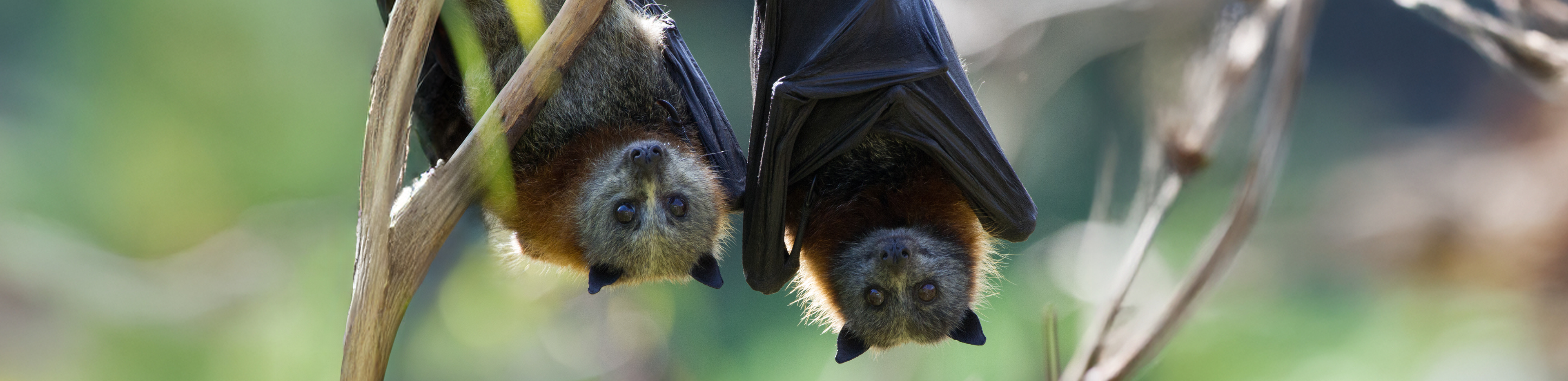
Flying foxes are among Queensland’s most important native wildlife. As large fruit‑eating bats, they play a critical role in pollination and seed dispersal, particularly for eucalypts and rainforest trees. Many native plant species rely on flying foxes to travel long distances and regenerate forests after fire, drought and clearing. Without them, entire ecosystems become less resilient.

Queensland is home to several species of flying fox, all of which are protected under the Nature Conservation Act 1992. Some species, such as the spectacled flying fox, are listed as threatened. Their protection recognises both their ecological importance and the pressures they already face from habitat loss, climate extremes and human conflict.
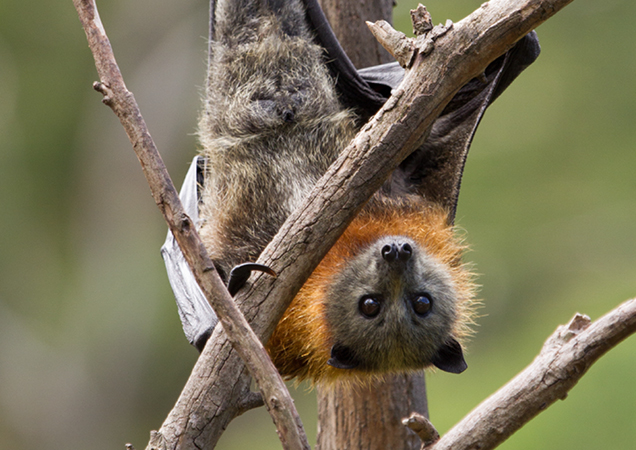
Flying fox hanging from tree branch.

Intelligent, social and individual

Research and long‑term wildlife care experience show flying foxes are highly social, intelligent mammals with strong bonds between mothers and their young, and complex interactions within colonies. Individuals display distinct behaviours and temperaments, from bold and curious, to cautious and reserved.

Mothers care intensively for their dependent young, who cling to them for weeks and rely entirely on them for survival. When adult flying foxes are injured or killed, dependent young are often orphaned. If they are not rescued, these young animals will suffer and die.

These traits matter when we consider how flying foxes are managed.

Policies that treat flying foxes as pests rather than sentient wildlife fail to account for their welfare needs and the consequences of harming individuals within a colony.

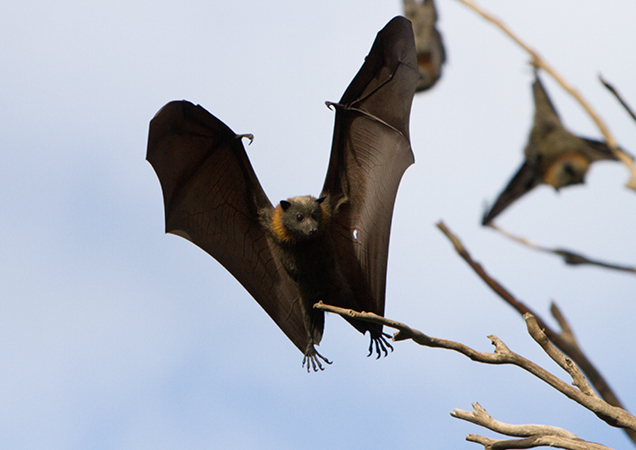
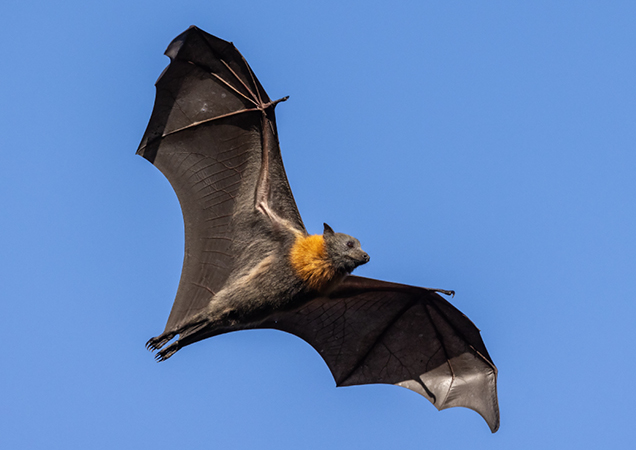
Flying fox in flight with wings outstretched.

What has changed in Queensland law?

In July 2023, the Queensland Government announced a three‑year phase‑out of permits allowing flying foxes to be shot to protect commercial fruit crops. Under this policy, permits (known as damage mitigation permits, or DMPs) were due to end in July 2026, with strict reductions to quotas during the transition period.

However, in December 2025, this planned phase‑out was quietly reversed. Amendments embedded in unrelated legislation removed the July 2026 end date, allowing lethal permits to continue beyond the original deadline. This change occurred without consultation with animal welfare or wildlife experts.

While the government has stated that the change does not expand the program, it does mean that shooting flying foxes remains a lawful option for some growers, despite the previous commitment to end it.

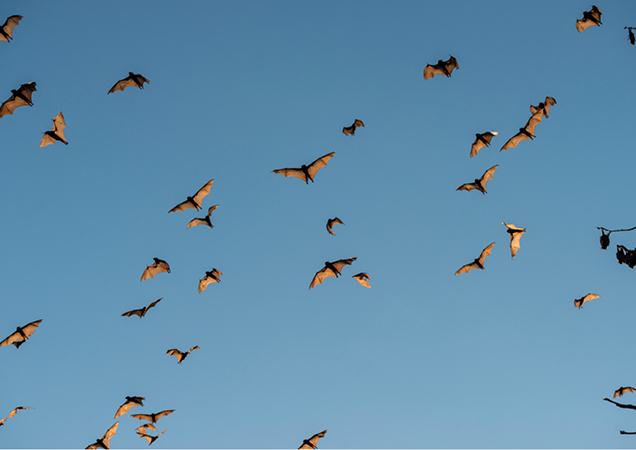
Colony of flying fox in flight.

Why shooting flying foxes raises serious welfare concerns

Shooting flying foxes at night presents significant and well‑documented welfare risks:

  • Flying foxes are shot while flying or roosting in low‑light conditions. Evidence indicates that many animals are wounded rather than killed outright, leading to prolonged suffering.
  • When lactating females are killed or injured, their young are orphaned. These juveniles cannot survive without intensive care.
  • Species identification is unreliable at night and this creates a real risk to threatened species, including spectacled flying foxes, which can be difficult to distinguish in flight.
  • There is no strong evidence that shooting flying foxes is effective in protecting fruit crops. Studies and practical experience show that lethal control does not provide a lasting deterrent and does not address the underlying drivers of crop conflict.

Queensland’s own Code of Practice acknowledges that non‑lethal measures, such as exclusion netting and deterrents, are the preferred and recommended approaches for managing crop damage.

Flying fox taking flight from tree.

Humane alternatives already exist

Non‑lethal solutions work and they are already in use across Queensland. Exclusion netting, when properly installed, is highly effective at protecting crops while preventing harm to wildlife. Deterrents and good farm design can further reduce conflict.

Importantly, government support is available. Queensland Rural and Industry Development Authority (QRIDA) sustainability loans help growers invest in non‑lethal crop protection measures, supporting both agricultural productivity and animal welfare.

Queensland is now the only Australian state that continues to allow the shooting of flying foxes for crop protection under permit.  All other states have phased out or prohibit this practice and rely on non lethal alternatives such as exclusion netting.

Continuing to allow shooting delays the broader uptake of these humane, long‑term solutions.

Why this matters now

Flying foxes are long‑lived animals with slow reproductive rates. Even small increases in adult mortality can have significant impacts on populations over time, especially when combined with habitat loss and extreme heat events.

The reversal of the planned phase‑out sends the wrong message: that lethal control remains acceptable, even when more humane and effective alternatives exist. It also undermines public trust by reversing a major animal welfare commitment without transparency.

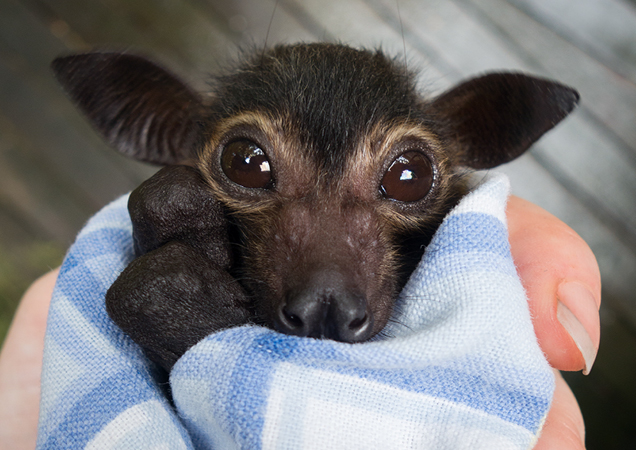
Flying fox in care, being held in a bat wrap.

How you can help protect flying foxes

You can help by contacting your local Queensland MP and asking them to support:

  • reinstating the planned phase out of flying fox shooting permits
  • transparent, evidence based wildlife decision making
  • greater investment in proven, non lethal crop protection methods

Personal messages matter. Even a short email can make a difference.

Find and contact your local MP.

RSPCA Queensland supports a balanced, evidence‑based approach to managing wildlife impacts - one that protects livelihoods while prioritising animal welfare and long‑term environmental sustainability.

Rachel Woodrow
Share this article
Find the perfect pet